Tackling Himalayan Balsam in West Cumbria
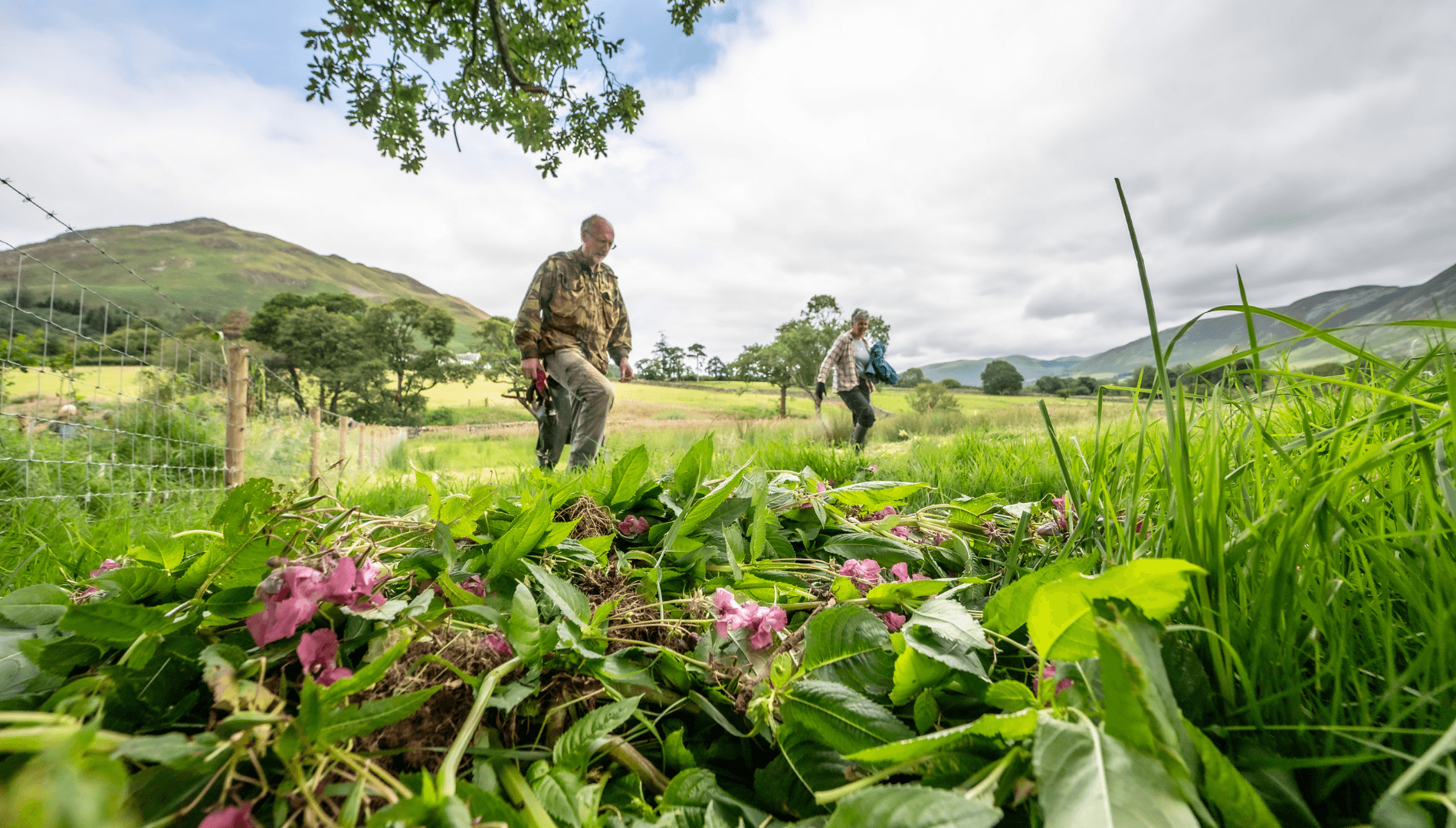
Communities across West Cumbria are coming together to take on one of the UK’s most widespread invasive plants, Himalayan balsam. This fast spreading species dominates riverbanks and wetlands, pushing out native plants, reducing biodiversity and leaving bare soil behind in winter. The result can be increased erosion, poorer water quality and damage to important habitats for fish and wildlife.
At West Cumbria Rivers Trust, we are working towards a long term goal to reduce and ultimately eradicate Himalayan balsam across the whole catchment. It’s an ambitious task, but one that becomes achievable when local people lead the way.
A smarter, catchment approach
Rather than tackling balsam in isolated spots, we encourage a coordinated, catchment wide approach. This means starting upstream, where the plant first establishes, and then working downstream.
You can think of it like sweeping the stairs. By dealing with the source first, you prevent seeds from washing down and undoing your hard work. This approach saves time, makes efforts more effective and leads to lasting change.
Himalayan Balsam
Why it matters
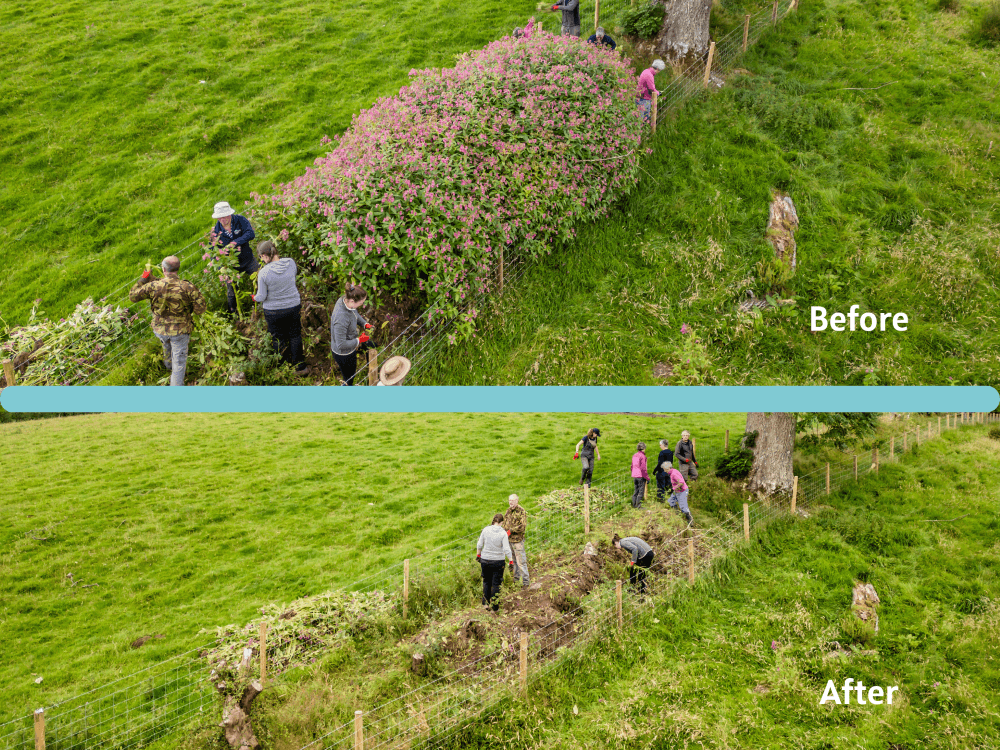
Himalayan balsam may look attractive, but its impact on nature is significant:
it outcompetes native plants, reducing biodiversity
it dies back in winter, leaving riverbanks exposed
this increases soil erosion and affects water quality
it damages habitats that wildlife depends on
By tackling balsam together, we can restore healthier rivers and create better conditions for wildlife to thrive.
Get involved
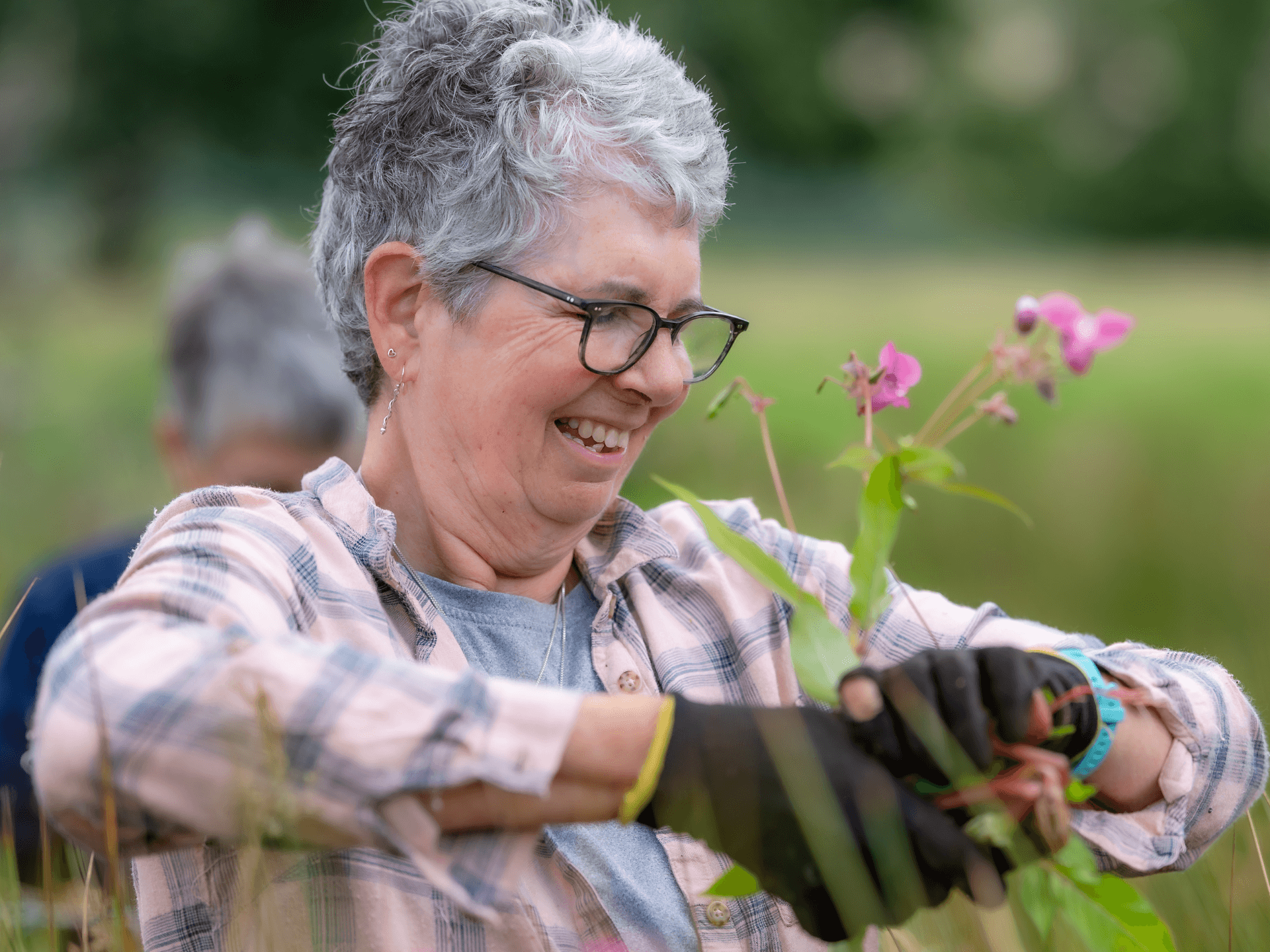
Join a group
There are a number of independent, community led groups working across West Cumbria to manage Himalayan balsam. The information below is provided to help you explore what activity is taking place in your area.
Please note that these groups operate independently. West Cumbria Rivers Trust does not organise, oversee or take responsibility for their activities.
Example Valley Balsam Group
Area: Example Valley catchment
Contact: Jane Smith
Email: jane.smith@example.comRiverdale Balsam Bashers
Area: Riverdale and surrounding becks
Contact: John Taylor
Email: john.taylor@example.comUpper Beck Community Group
Area: Upper Beck and tributaries
Contact: Alex Johnson
Email: alex.johnson@example.com
If you would like us to include your group here, please get in touch.
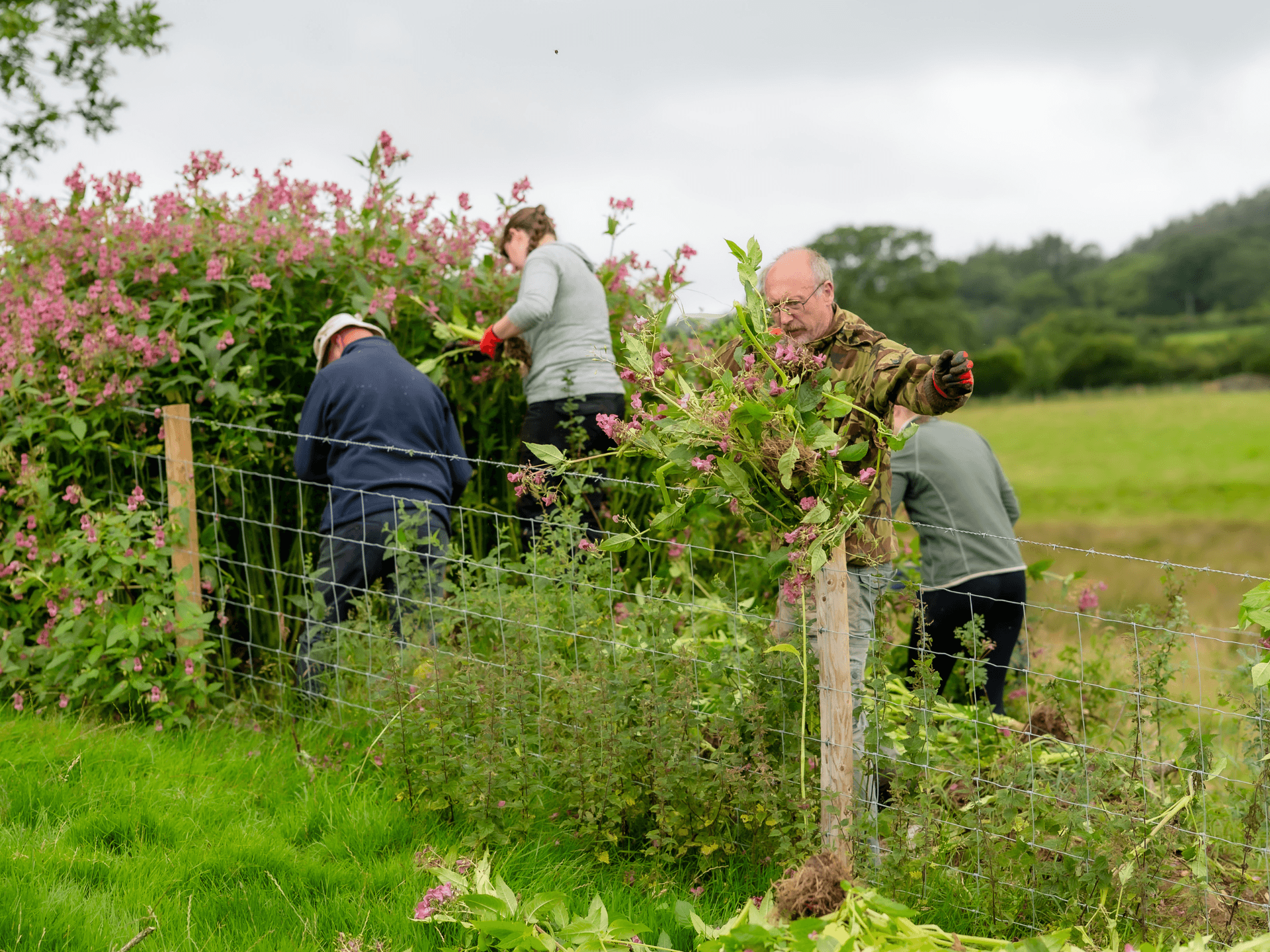
Set up a new group
In some areas of the catchment, there is currently little or no coordinated effort to manage Himalayan balsam. These are the places where action is most urgently needed.
We are looking for people who can help bring others together and organise local efforts. Without local coordination, balsam continues to spread and can quickly reinvade areas where work has already been carried out.
If you are able to take this on in your area, we can provide guidance, resources and support to help you get started.
This may include:
Information on best practice for Himalayan balsam management
Training opportunities for volunteers
A practical toolkit to support planning and delivery
Guidance on seeking landowner permission
Support to help identify priority areas
Any group or activity established would be independent. Organisers are responsible for ensuring appropriate permissions, risk assessments and insurance are in place.
Any group or activity established would be independent. Organisers are responsible for ensuring appropriate permissions, risk assessments and insurance are in place.
If you’d like to ask us any queries, please get in touch.
A smarter, catchment approach
Rather than tackling balsam in isolated spots, we encourage a coordinated, catchment wide approach. This means starting upstream, where the plant first establishes, and then working downstream.
You can think of it like sweeping the stairs. By dealing with the source first, you prevent seeds from washing down and undoing your hard work. This approach saves time, makes efforts more effective and leads to lasting change.

Izzie Mullin with New Zealand Pigmyweed
INNS cost the UK economy around £1.8 billion a year through damage and erosion
They are one of the top 5 drivers of biodiversity loss globally

INNS are responsible for the dramatic decline of native wildlife like white-clawed crayfish and the tansy beetle
INNS threaten the survival of rare native species and outcompete plant life in fragile ecosystems such as wet woodlands and freshwaters
Why it matters
Himalayan balsam may look attractive, but its impact on nature is significant:
it outcompetes native plants, reducing biodiversity
it dies back in winter, leaving riverbanks exposed
this increases soil erosion and affects water quality
it damages habitats that wildlife depends on
By tackling balsam together, we can restore healthier rivers and create better conditions for wildlife to thrive.

Izzie Mullin and NT staff surveying for New Zealand Pigmyweed in Crummock Water in Winter © National Trust
Check, clean & dry whenever you enter the water
A ‘how to’ guide to Balsam Bashing
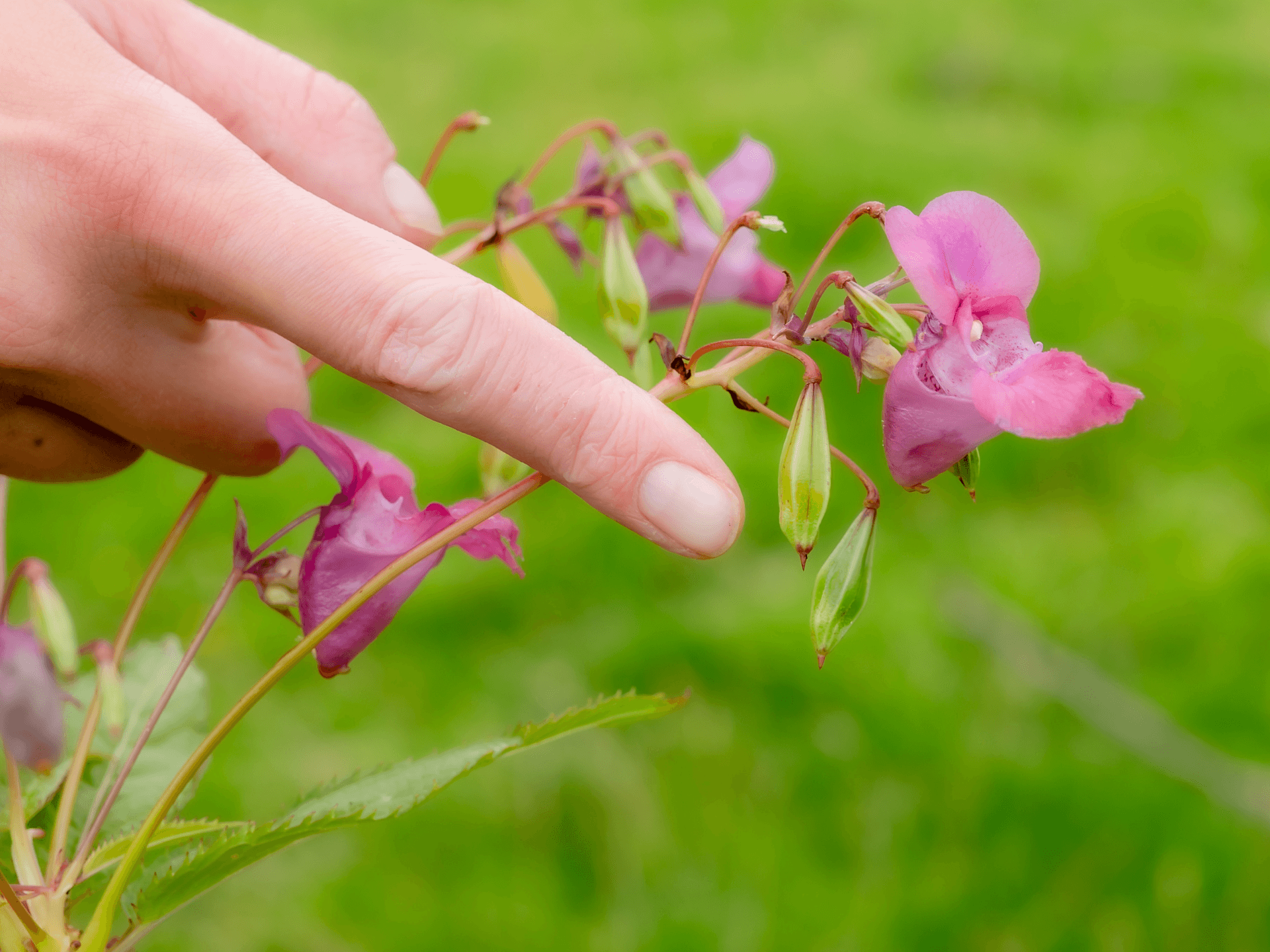
In 2022, we treated over 30ha of Himalayan Balsam, Japanese Knotweed and American Skunk Cabbage


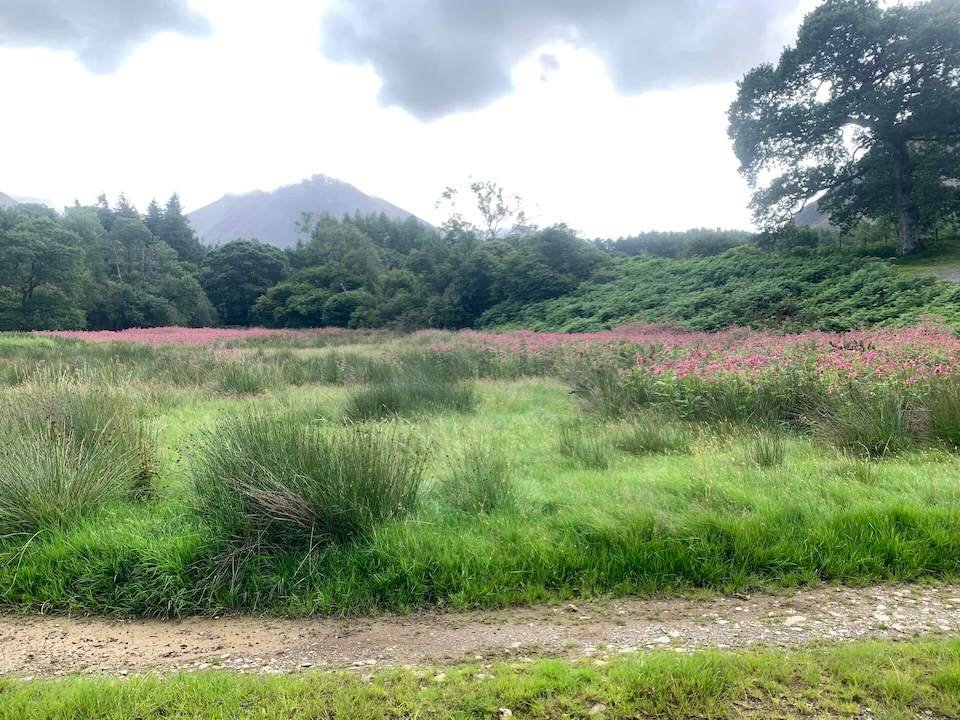
Before
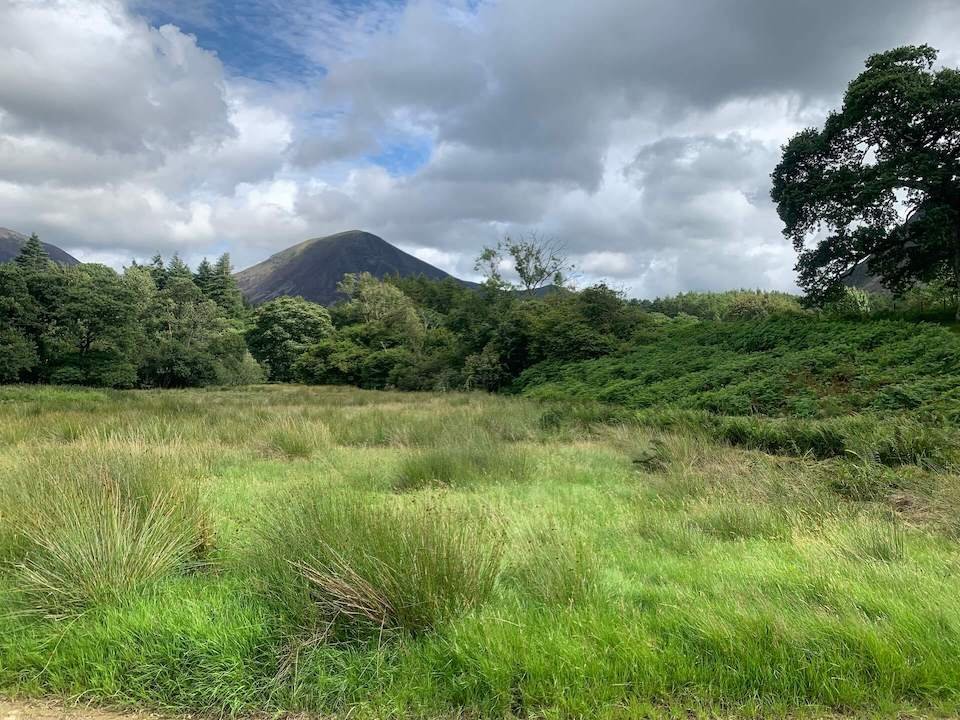
After
Get in touch
For more information, contact Project Officer (Invasive non-native Species) Izzie Mullin.
Project funders