
Investigation identifies outdated, undersized, and poorly maintained wastewater systems as an area of environmental concern.
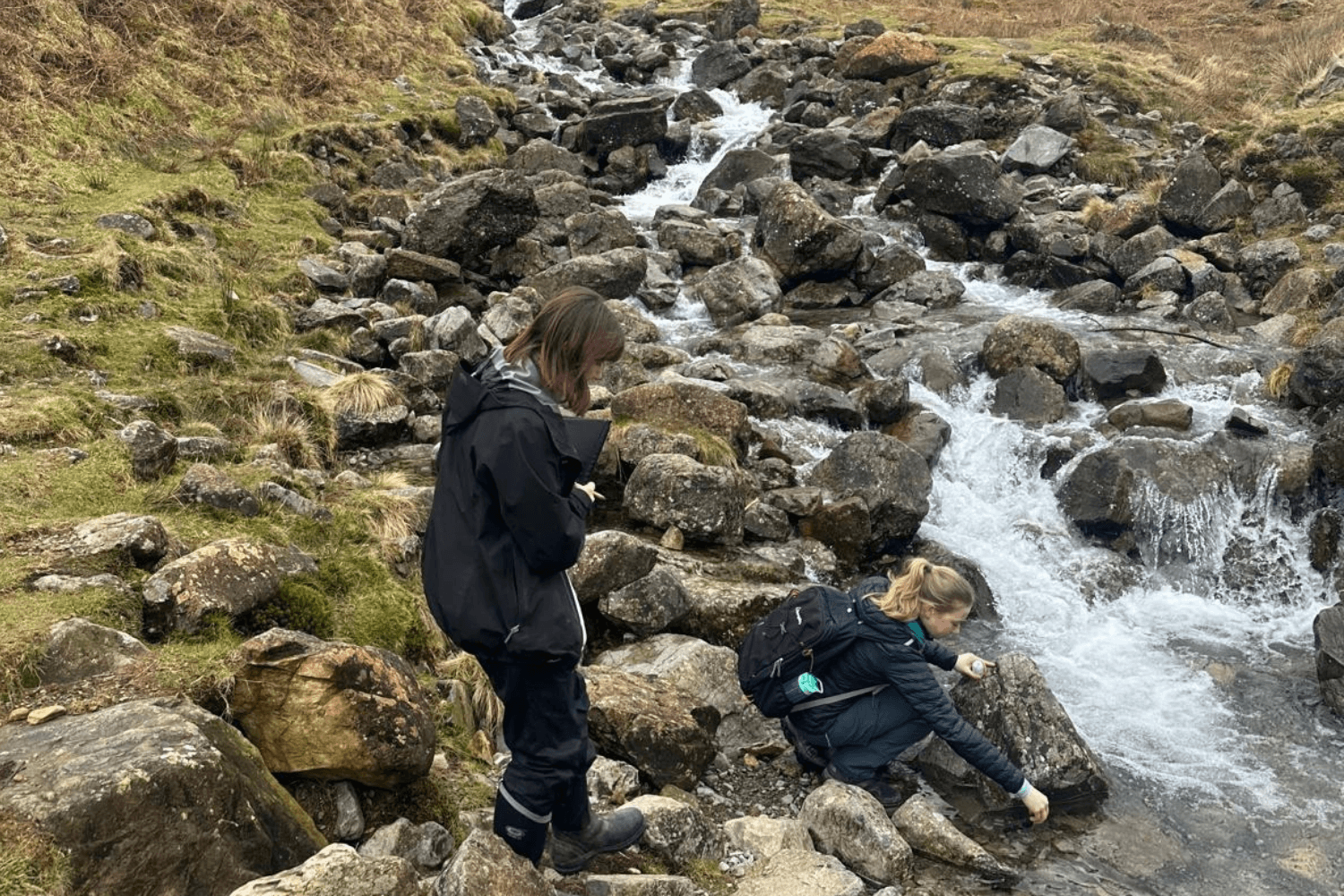
A report into the declining health of Buttermere has revealed that farming practices alone cannot account for rising nutrient levels in the lake, shifting focus toward private wastewater systems, heavy seasonal tourism, and infrastructure challenges.
The Buttermere Nutrient Investigations Project (BNIP) was a collaborative project, commissioned and funded by the Environment Agency (EA), working with West Cumbria Rivers Trust (WCRT), Natural England (NE) and launched in response to a joint EA/NE report from 2025 which highlighted Buttermere as failing to meet total phosphorus (TP) targets, and Natural England’s 2024 condition assessment, which classified the lake as Unfavourable – Declining.
West Cumbria Rivers Trust (WCRT) was tasked with tracking down the sources of phosphorus driving the lake’s significant decline to clarify whether pressures originated from agriculture or other contributing factors.
A fragile ecosystem under pressure
As a designated Site of Special Scientific Interest (SSSI) and Special Area of Conservation (SAC), Buttermere is naturally oligotrophic - meaning it is a naturally nutrient-poor lake. This delicate balance provides a vital, pristine environment for rare, sensitive species, including the glacial relic Arctic charr. However, excess phosphorus triggers smothering blankets of algae which choke out these rare habitats and degrade the lake's protected status.
Wastewater pressures and engagement gaps
The study identified potential issues with local wastewater infrastructure as a key area of concern. By contrast, agricultural investigations across major landholdings found no evidence of systemic diffuse pollution or excessive nutrient use, with soil management plans broadly appropriate. However, localised agricultural impacts remain possible, and fell management was outside the scope of the assessment.
Buttermere is a remote, rural area with many outlying properties relying on non-mains drainage (such as septic tanks or package treatment plants). Out of eleven septic tank systems identified in the catchment, multiple were found to be undersized, poorly maintained, or past their effective lifespan, with several suspected to be discharging directly to surface water, which is not compliant with the Regulations (referred to as General Binding Rules).
While most residential and business owners engaged positively with the process and were keen to help the environment, the investigation uncovered a widespread lack of awareness regarding how these private systems actually operate and what proper maintenance requires.
The tourism and footfall pressure
The project also captured substantial data on visitor impact through nearly 200 face-to-face questionnaires and visitor monitoring. The studies revealed 41% of visitors brought dogs, which were predominantly walked along sensitive lakeshore paths. Whilst the project did not quantify this contribution, studies suggest nutrient fertilisation by dogs could be significant.
Commenting on the findings, Jodie Mills, CEO of West Cumbria Rivers Trust, said:
“Our investigations show that water quality in Buttermere is suffering primarily due to private wastewater systems that are undersized, poorly maintained, or overwhelmed during peak seasonal surges. Many home and business owners simply didn’t realise their tanks weren’t performing properly. This creates a hidden source of pollution, and urgent regulatory action and maintenance guidance are needed to protect this special lake.”
Next steps, regulation, and enforcement
As an independent charity and a non-regulatory body, WCRT has no legal powers to compel stakeholder participation, enforce compliance, or penalise non-engagement. The role of the Environment Agency is to regulate permitted discharges, and any non-permitted sites that are causing pollution. Ultimately, it is the responsibility of property owners to ensure they comply with the regulations.
WCRT is taking proactive steps by providing wastewater guidance for homeowners on septic tanks on its website and engaging with the local Parish Council and the Lake District Visitor Management Group - including the National Trust and the Lake District National Park Authority. WCRT also continues to work collaboratively with farmers in the catchment on voluntary water quality options.
Pete Miles, Nature, Monitoring and Technical Manager at the Environment Agency said:
“This report provides valuable information about the sources of excess nutrients in Buttermere.
Sources of pollution are often very complex and we urge everyone living or working in Buttermere, and those visiting to play their part in reducing the amount of pollution entering the lake, from checking their private sewage systems to clearing up after their dogs.”
Find our helpful guide to septic tanks, plus links to support and advice: https://www.westcumbriariverstrust.org/septic
You can request a copy of the report from the Environment Agency by emailing: Inforequests.cmblnc@environment-agency.gov.uk