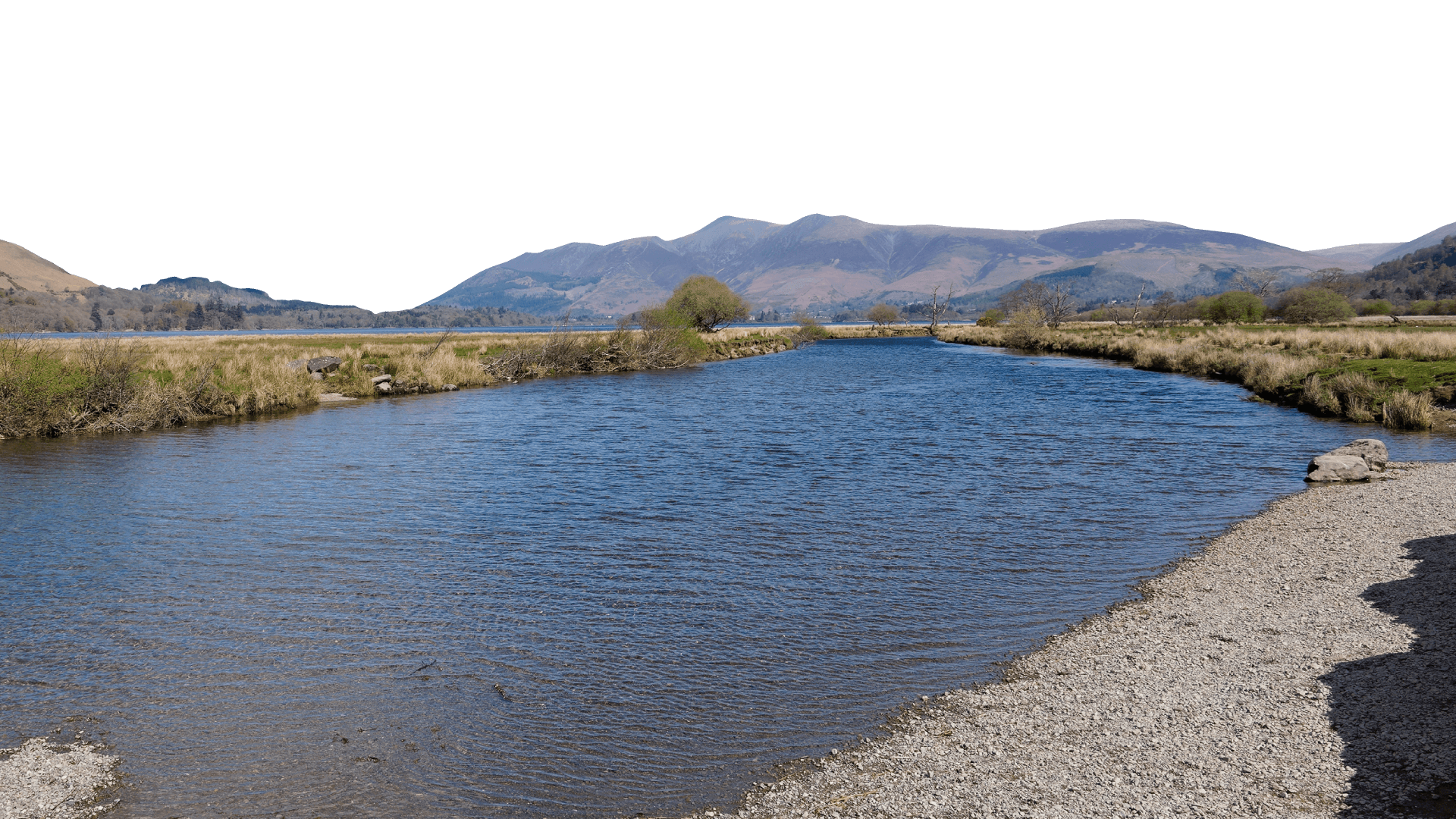

Cherish Derwent Water
Protecting the future of our lake
This information is brought to you by the Cherish Derwent Water Partnership (see below for list of partners). We have come together to co-ordinate actions, prompted by the recently designated Bathing Water Status for Derwent Water at Crow Park.
This page has been created to explain what achieving ‘bathing water status’ means for Derwent Water and what you can do to help. With your help, we intend to restore the health of the lake for nature, the community, and the local economy.
Why does this matter:
Concerns have been growing over the lake’s health – particularly around algal blooms and bacterial pollution, which can be harmful to both wildlife and humans.
In 2023, West Cumbria Rivers Trust and the National Trust successfully applied for Bathing Water Status for Derwent Water at Crow Park. This means the Environment Agency now monitor the bathing water quality weekly from May to September (the bathing season), helping us to better understand the health of the lake.
Proactive monitoring of algal blooms and bacterial pollution in the lake is an important first step in assessing and then improving the quality of the water in the lake. Until now we have been swimming in the dark (so to speak).
Unfortunately, the first and second year’s monitoring results have given a classification for Derwent Water at Crow Park of ‘Poor’ – with advice against swimming. The 2024 and 2025 monitoring results are available on Swimfo. It’s not all bad news though - the water quality results were not consistently poor over the bathing season – there were peaks of bacteria after periods of high rainfall.
For bathing water designation, the water is being tested for two types of bacteria which cause illness in humans and animals, these are intestinal enterococci and E. coli. Possible sources of these bacteria are poo from humans and animals or birds: from sewage systems, septic tanks, wildlife and agricultural contamination. The relative contribution of each of these sources is not clear at the moment.

Citizen Science water quality training undertaken by West Cumbria Rivers Trust & the National Trust at Derwent Water
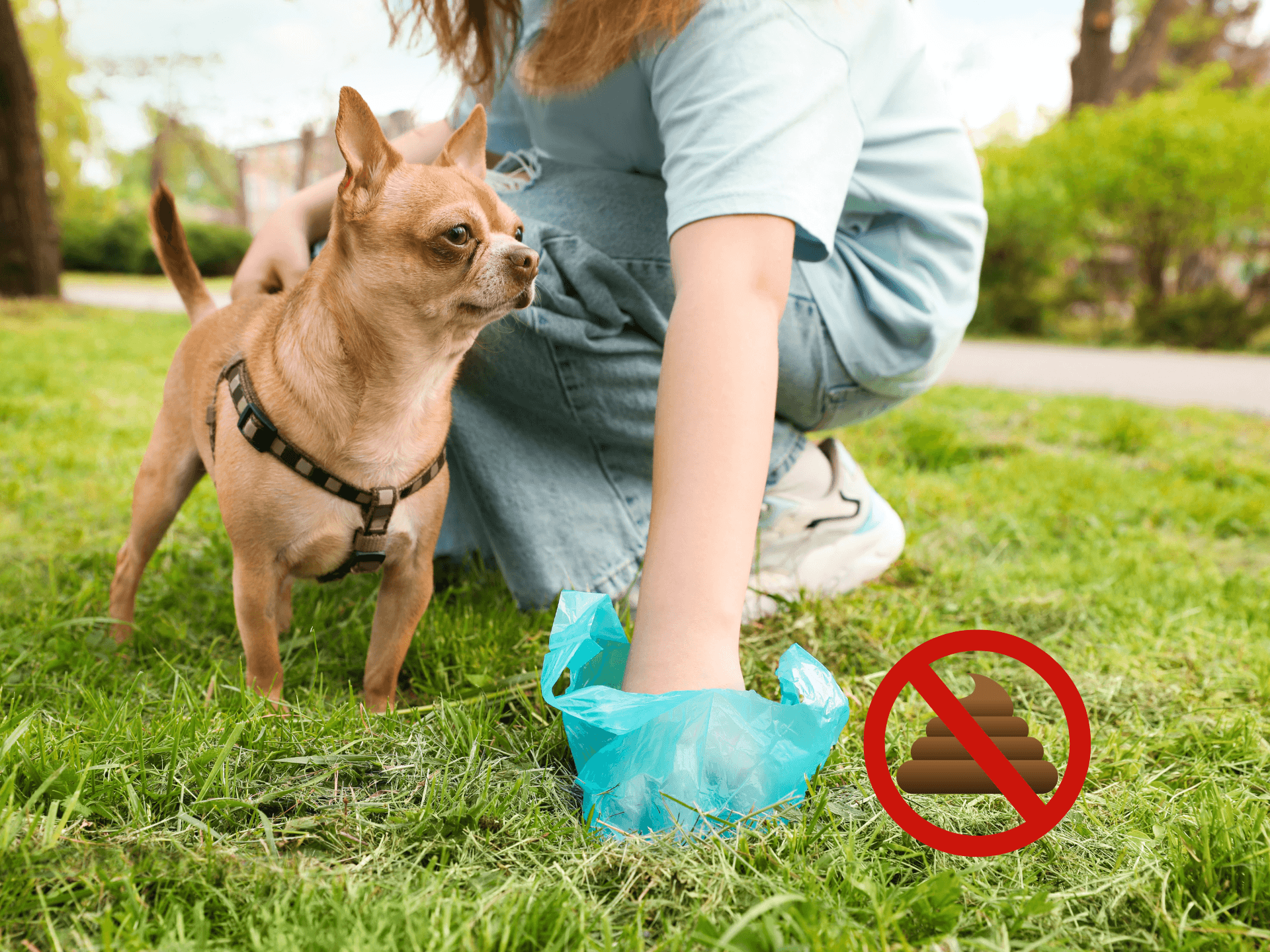
Please pick up after your dog – don’t let them poo around the lakeshore (bin it!)
Avoid feeding wildlife (ducks and geese) – they need a natural diet, and overfeeding increases the population and resultant poo pollution
Please use public toilets, do not leave human waste on the lakeshore and dispose of Campervan waste in nearby sites appropriately.
Support our work to restore the lake’s health – donate to our campaign to make Derwent Water wild and healthy
Together, we can help Derwent Water thrive for future generations.
While swimming is a personal choice and not prohibited, if you choose to ignore the advice against bathing, recommendations include:
Check the Swimfo web site for the most recent monitoring results
Undertake a visual assessment of the water before entering
Avoid swimming after period of prolonged rainfall
Heads up swimming only
Wash thoroughly after swimming
Cover any cuts before entering the water (but we encourage users not to enter the lake with open wounds/cuts)
United Utilities have stated that following a comprehensive study, they do not believe untreated sewage discharges are entering the lake at Crow Park, although investigations are continuing. In the meantime, together with our Cherish Derwent Water partners we’re leading further investigations to pinpoint the root causes of poor water quality. Once we have a clearer scientific understanding, we will work together to identify effective solutions - such as septic tank upgrades to changes in land management near the lakeshore.
The results also showed that these locations have, at times, experienced elevated bacterial levels. In response, the partnership has been working closely with local businesses, hosting meetings to discuss the findings and explore practical solutions.
As a result, a programme of bird population surveys will be carried out during 2026 to better understand potential environmental factors influencing water quality. Outdoor adventure businesses will also be provided with R cards, enabling them to test water quality before taking larger groups onto the lake.
Alongside this, we are working with Our Rivers to engage with septic tank owners in Borrowdale, supporting conversations around good management practices and their role in protecting water quality.
In addition, new signage will be introduced throughout 2026, encouraging visitors to learn more about the lake’s water quality and the steps being taken to monitor and protect it.
How you can help

News & Updates
The Environment Agency monitors Bathing water quality at the designated site at Crow Park, as well as three other ‘investigational’ sites. To build a fuller picture of Derwent Water’s health, West Cumbria Rivers Trust secured funding from Cumberland Council and UK Government through the UK Shared Prosperity Fund to carry out independent testing at four further sites that are popular for swimmers and water users during summer 2025. The sites were:
Lodore Jetty
Nichol End Marina
Hawes End Jetty
The Isthmus
Frequently asked questions
-
For bathing water designation, the water is being tested for two types of bacteria which cause illness in humans and animals, these are intestinal enterococci and E. coli.
-
Possible sources of these bacteria are poo from humans and animals or birds: from sewage systems, septic tanks, wildlife and livestock (sheep) poo. The relative contribution of each of these sources is not clear at the moment.
-
They can cause stomach upsets if contaminated water is ingested and infect cuts and wounds.
-
Blue green algae blooms are encouraged by heat, standing water, high level of nutrients (phosphates and nitrates) which are associated with agricultural activities. This is a different problem, but also makes bathing water quality poor. Algal blooms are identified by eye and measures taken to warn lake users as appropriate (generally not to allow dogs or humans to swim). Advice for the public and landowners about blue green algae can be found on gov.uk. If you see evidence of algal blooms, please report this via the Environment Agency’s Incident Hotline (0800 80 70 60) or use the CEH Bloomin’ Algae app.
-
The Environment Agency’s recent testing has classified Derwent Water as “Poor” for bathing, meaning conditions are currently not suitable for swimming.
-
We don’t know. At the moment we only have information for Crow Park. In the 2025 bathing water season, the Environment Agency will be monitoring other areas which are popular with swimmers and watersports enthusiasts, such as Calf Close Bay. This data is a first step in improving water quality – once we know more about the sources, it will help us to target actions to solve the problem. It is possible that different parts of the lake will be more or less contaminated depending on the proximity of waste water discharges, wildlife, and human behaviour (toileting outside and dog poo left on the lakeshore).
-
The water quality was designated poor in 2024 because there were 3/20 readings where levels of bacteria were higher than acceptable levels and posted a risk to health. These higher readings were associated with high rainfall events.
-
The pollution affecting bathing water quality is from faeces (poo) – bird, human and/or animal. Other pollutants affecting the lake include nutrients e.g. phosphates and nitrates.
-
Swimming is a personal choice. However, based on current bathing water quality data, the Environment Agency advise against bathing at Crow Park. If you do swim in Derwent Water, please practice safe swimming habits (e.g. heads up swimming, washing thoroughly afterward, and covering any cuts).
-
Much of Derwentwater, and the land surrounding it, is owned by the National Trust, with some land also owned by private landowners. All those who live, work and play on or near the lake, and especially those who benefit economically from it, have a collective responsibility for Derwentwater. The National Trust own the land at Crow Park and Cumberland Council have responsibility for the jetties.
-
West Cumbria Rivers Trust is collaborating with partners like United Utilities, the Environment Agency and the National Trust to undertake more comprehensive testing. Once we have a clear scientific understanding we may be able to identify possible causes. Once we know the causes, we can work closely with partners to implement effective solutions. This may involve things like upgrading septic tanks, or changes in land management near the lakeshore.
-
As a designated bathing water site, Crow Part at Derwent Water will be monitored weekly by the Environment Agency during the bathing season (May to September). Results are published on the Swimfo website. The Environment Agency will also be monitoring at other locations around the lake. These are investigative samples and will not be used to classify the bathing water.
-
You can contribute by ensuring you dispose of human and pet waste properly, not feeding the wildlife (which can contribute to pollution as the numbers can increase and with that the amount of poo), and supporting our campaign to restore the lake. Every small step helps us move toward a healthier environment.
-
Detailed results from the 2024 bathing water season are available on the Environment Agency’s Swimfo website. Results from the 2025 bathing water season will be published throughout the bathing water season. You can also visit the Environment Agency’s Water Hub to find out more about bathing waters and other issues affecting the water environment.
-
Please reach out to West Cumbria Rivers Trust below. We welcome your feedback and are committed to keeping the community informed.
The Partnership is coordinated by West Cumbria Rivers Trust. If you have any questions or would like to get in touch, please don’t hesitate to contact us.
Partnership members





Partnership members